

Introduction
If you have ever walked through a car lot or scrolled through Ford listings online, chances are you have come across the letters “XLT” stamped somewhere on the vehicle’s body or listed in the trim details. For many shoppers, this three-letter badge raises an immediate question: what does XLT stand for Ford models specifically, and why does it matter when choosing a vehicle? This confusion is completely understandable, since Ford, like most automakers, uses a variety of trim codes that are not always self-explanatory at first glance.
The short answer is that XLT stands for “Extra Luxury Trim.” However, the real value of understanding this term goes far beyond just knowing what the letters mean. It helps buyers understand where a particular vehicle sits in Ford’s lineup, what features they can expect, and whether it is the right fit for their needs and budget. In this guide, we will break down everything related to the XLT trim, from its origins to its features, pricing, and how it stacks up against other trims in Ford’s catalog.
What Does XLT Stand For?
To directly answer the question many people are searching for, XLT stands for Extra Luxury Trim. This designation has been used by Ford for several decades, primarily to indicate a step up from the most basic version of a vehicle without jumping all the way to the most premium, feature-loaded trim available.
The term “Extra Luxury Trim” was originally created to help buyers quickly distinguish between different levels of comfort, styling, and equipment within the same vehicle model. Rather than forcing customers to memorize long lists of specifications for every version of a truck or SUV, Ford introduced simple alphabetic codes so that shoppers could gauge, at a glance, roughly how equipped a vehicle was.
Over the years, XLT has become one of the most recognizable and widely used trim names across Ford’s lineup, especially on trucks and SUVs. It sits in what many industry experts consider the “value zone” of the trim ladder, offering noticeably more comfort and technology than the entry-level trim while remaining more affordable than the higher-end packages.
Where XLT Fits in Ford’s Trim Hierarchy?
Understanding what does XLT stand for Ford vehicles becomes much clearer once you see where it fits within the broader lineup of trims. Ford generally organizes its trims from the most basic to the most luxurious, and while the exact naming can vary slightly depending on the model, the general order looks like this:
| Trim Level | Position in Lineup | General Description |
|---|---|---|
| XL | Base trim | Minimal features, often used for work or fleet vehicles |
| XLT | Second tier | Added comfort, styling, and technology upgrades |
| Lariat | Mid-to-upper tier | Leather seating, premium tech, refined interior |
| King Ranch / Platinum / Limited | Upper tier | High-end materials, exclusive styling, advanced features |
| Raptor (where applicable) | Performance tier | Off-road or performance-focused upgrades |
As shown in the table above, XLT is positioned just above the base XL trim. This makes it a popular choice among buyers who want more than the bare minimum but are not necessarily looking to spend extra money on premium leather interiors or exclusive styling packages found in higher trims.
What Features Come With XLT Trim?
One of the reasons XLT has remained so popular over the years is the noticeable jump in features compared to the base XL trim. While exact features can vary from model to model and year to year, there are some common upgrades that typically come standard or are available with the XLT package.
On the exterior, XLT trims often include chrome accents or upgraded body-color trim pieces, along with alloy wheels instead of the basic steel wheels found on XL models. Fog lights, upgraded grille designs, and additional exterior lighting are also frequently part of the XLT package, giving the vehicle a slightly more refined and modern appearance.
Inside the cabin, XLT trims usually bring noticeable improvements in comfort and convenience. This can include upgraded cloth or partial leather seating, additional power-adjustable features, improved infotainment systems with larger touchscreens, and enhanced climate control options. Many XLT trims also come with additional USB ports, better sound systems, and more advanced connectivity features compared to the base trim.
Safety and driver-assist technology is another area where XLT often shines. Depending on the model year, buyers may find features such as rearview cameras, additional airbags, blind-spot monitoring, or advanced cruise control options bundled into the XLT trim or available as optional packages.
Which Ford Models Offer XLT Trim?
The XLT trim is not limited to just one type of vehicle. In fact, it is one of the most widely used trim designations across Ford’s entire lineup, particularly for trucks and SUVs. Some of the most well-known Ford models that offer an XLT trim include the following:
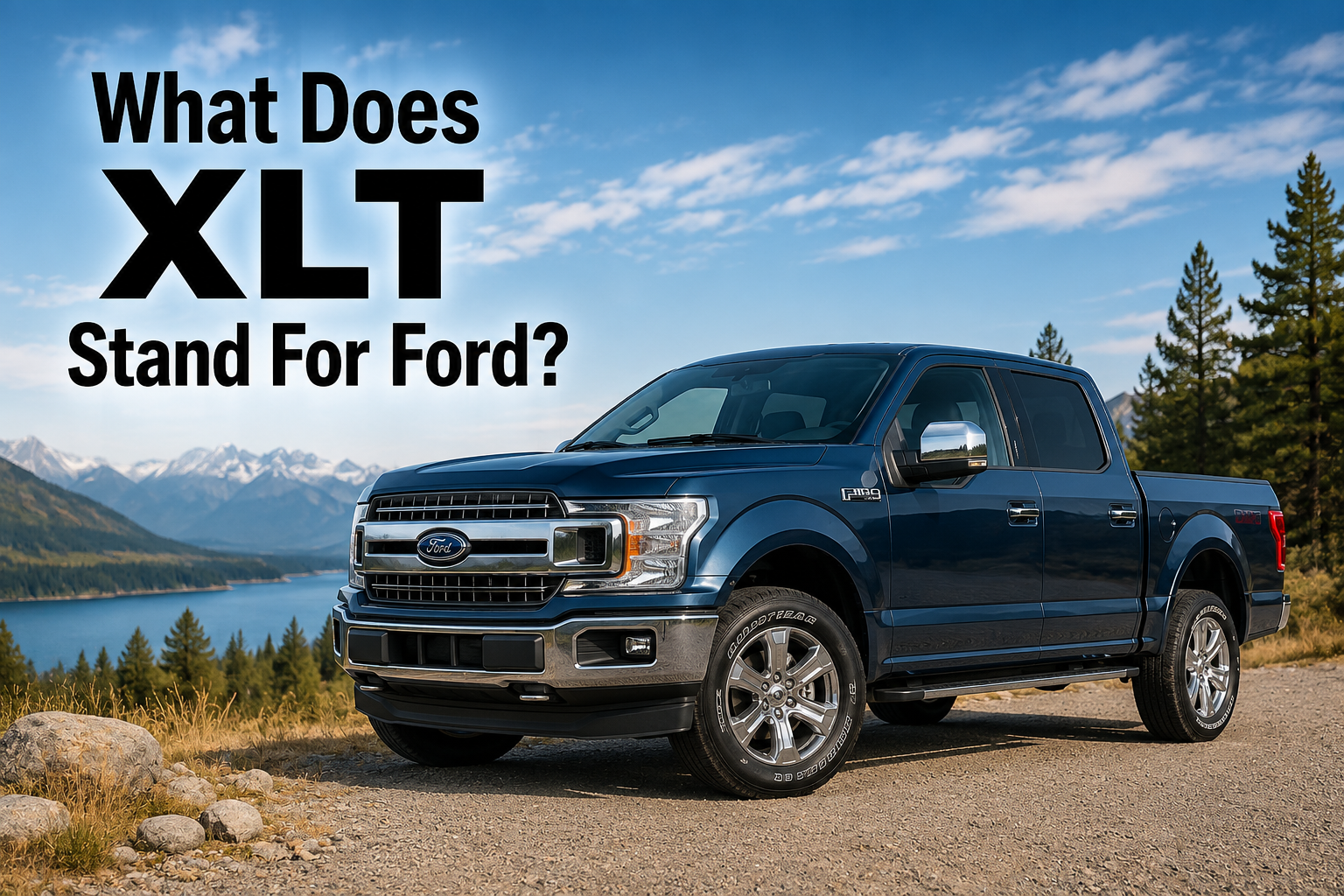
The Ford F-150, which is one of the best-selling trucks in the world, has long offered XLT as one of its most popular trims. The Ford Explorer, a mid-size SUV favored by families, also features XLT as a common trim option. Similarly, the Ford Edge and Ford Escape, both crossover SUVs, offer XLT trims that balance affordability with added comfort. The Ford Ranger, a mid-size pickup truck, and the Ford Expedition, a full-size SUV, round out the list of popular models where XLT is available.
While the core idea behind XLT remains consistent across these models, the specific features included can vary. This is why it is always a good idea to check the exact trim details for the specific model and year you are interested in, rather than assuming every XLT trim across Ford’s lineup is identical.
XLT vs Other Trims: Quick Comparisons
When comparing trims, buyers often want a straightforward answer on where XLT stands. Below is a breakdown of some common comparisons.
When comparing XLT to XL, the most noticeable difference is the added comfort and styling. XL trims are typically designed for basic use, often chosen by businesses or buyers who prioritize function over form. XLT, on the other hand, introduces meaningful upgrades in comfort, technology, and appearance, making it a better fit for everyday personal use.
When comparing XLT to Lariat, the gap becomes more noticeable. Lariat trims typically include leather seating, more advanced technology packages, and additional luxury touches that are not standard on XLT. However, this added luxury comes at a higher price point, which is why many buyers still consider XLT to be the more practical, value-driven choice.
Many industry reviewers and everyday buyers often refer to XLT as the “sweet spot” trim within Ford’s lineup. This is because it offers a strong balance between price and features, giving buyers meaningful upgrades over the base model without the significant cost increase associated with higher-end trims.
Pricing: How Much More Does XLT Cost?
Price is often one of the biggest deciding factors for buyers trying to choose between trims. While exact pricing varies depending on the model, year, and additional options selected, XLT trims are generally priced a few thousand dollars above the base XL trim.
This price increase reflects the added features discussed earlier, including improved wheels, upgraded interior materials, and additional technology. Buyers should also be aware that many optional packages, such as towing packages, sport appearance packages, or advanced technology bundles, are often available specifically for XLT trims, allowing for further customization based on individual needs and budget.
From a resale perspective, XLT trims tend to hold their value reasonably well. Because they are popular among a wide range of buyers, from families to individual drivers, XLT vehicles often see strong demand in the used car market compared to either extremely basic or extremely high-end trims.
Pros and Cons of Choosing XLT
Like any trim level, XLT comes with its own set of advantages and drawbacks depending on what a buyer is looking for.
On the positive side, XLT offers a strong balance of value and features, making it an appealing choice for buyers who want more than the basics without overspending. Its popularity also means there are typically more used XLT vehicles available on the market, giving buyers more options to choose from. Additionally, many optional packages allow buyers to further personalize their XLT vehicle to suit specific needs, such as towing or off-road capability.
On the downside, buyers looking for premium materials such as full leather interiors, advanced luxury technology, or exclusive styling elements may find XLT lacking compared to higher trims like Lariat or Platinum. For buyers who prioritize luxury and are less concerned about price, moving up to a higher trim may be a better long-term choice.
Frequently Asked Questions
Is XLT a good trim to buy? For most everyday buyers, XLT is considered a strong middle-ground option. It offers noticeable upgrades over the base trim without the higher cost associated with luxury trims, making it a practical choice for a wide range of drivers.
Does XLT have leather seats? This depends on the specific model and year. Some XLT trims offer optional leather or leather-trimmed seating packages, while others come standard with upgraded cloth seating. It is best to check the specific configuration for the model you are considering.
Is XLT available in 4×4 or 4×2? XLT trims are typically available in both two-wheel drive and four-wheel drive configurations, depending on the specific model and available packages. Buyers can usually select their preferred drivetrain when configuring an XLT vehicle.
What is the difference between XLT and STX? STX is generally considered a sportier, more style-focused trim, often positioned between XL and XLT or as an alternative package. XLT, in comparison, focuses more on a balance of comfort and practicality rather than sport-oriented styling.
Conclusion
To summarize, the answer to what does XLT stand for Ford vehicles is Extra Luxury Trim, a designation that represents a meaningful step up from Ford’s most basic trim while remaining more affordable than higher-end luxury trims. Positioned as a value-focused option across popular models like the F-150, Explorer, Edge, Escape, Ranger, and Expedition, XLT continues to be one of the most popular trim choices among everyday buyers.
For those who want extra comfort, updated technology, and improved styling without paying a premium price, XLT remains an excellent choice. However, buyers seeking top-tier luxury features may want to explore higher trims such as Lariat or Platinum instead. Ultimately, understanding what XLT stands for and where it fits in Ford’s lineup can help buyers make a more informed and confident decision when choosing their next vehicle.
Related Articles
How to Connect Phone to Ford SYNC to Play Music? Complete 2026 Guide
Is Ford Escape A Good Car? Complete Reliability, Performance & Buyer’s Guide
Why Don’t Ford MAF Engines Use a MAP Sensor? Complete Explanation
How Much Does a Ford F150 Weigh? Full Weight Guide by Trim, Cab & Engine
Is Ford American Made? The Complete Truth About Ford’s Manufacturing