




Buying a car is one of the biggest decisions a person makes, and one of the first questions that comes to mind is simple: how long will it actually last? If you are looking at a Ford Escape, whether brand new or used, you are probably asking yourself the same thing. This guide answers that question in detail, walking through real mileage expectations, the factors that influence longevity, common problems owners run into, and practical steps you can take to help your Escape reach its full potential.
The lifespan of any vehicle depends on a mix of engineering, maintenance, and driving habits. The Ford Escape, a compact SUV that has been on the market since the early 2000s, is no exception. It has gone through several generations, each with its own strengths and weaknesses, and understanding these differences can help you make a smarter decision whether you are buying new, buying used, or trying to get more life out of the one you already own.
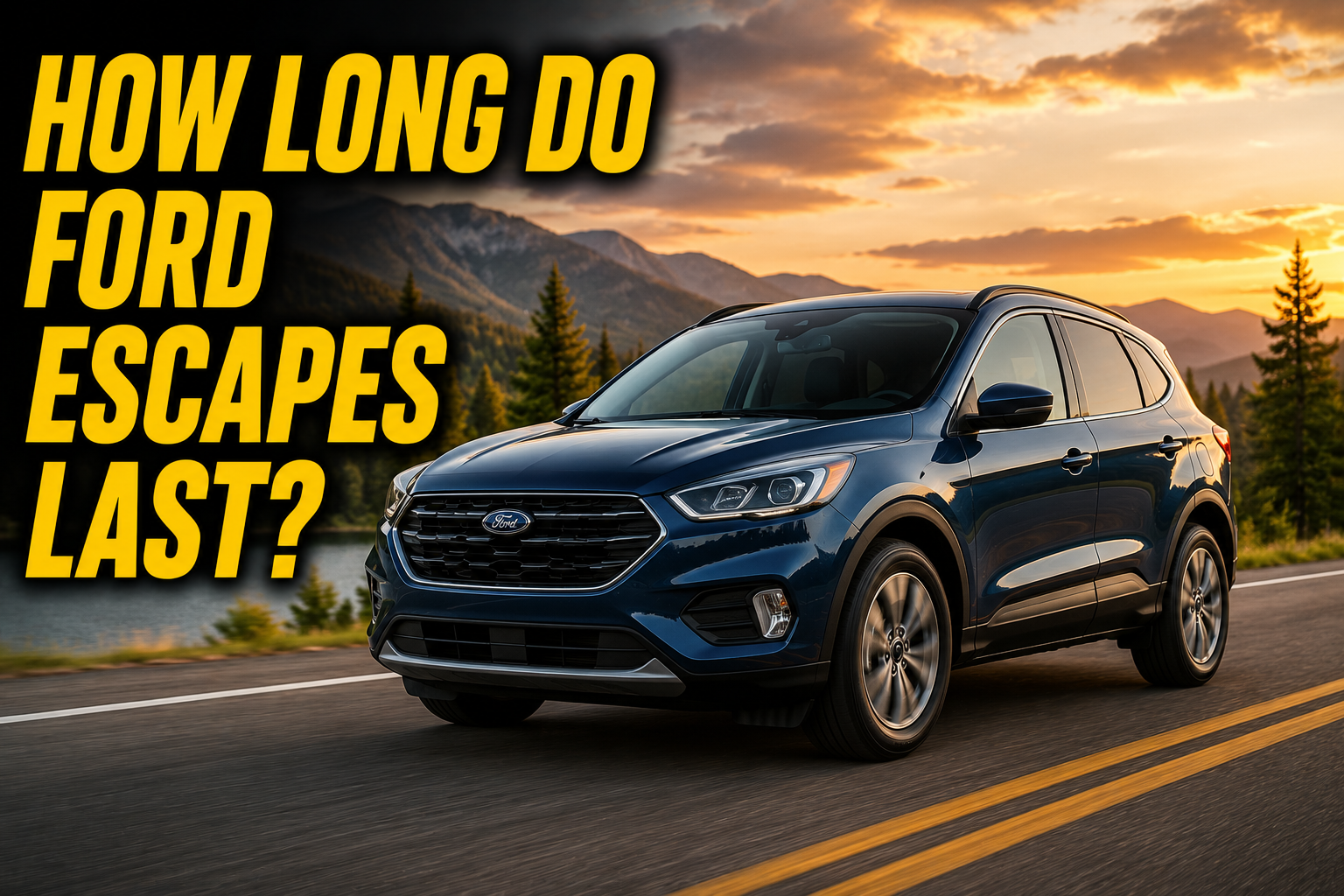
So, how long do Ford Escapes last? On average, a well maintained Ford Escape can be expected to run for around 150,000 to 200,000 miles, which typically translates to about 10 to 13 years of use for the average driver. Some owners report their Escapes lasting well beyond 200,000 miles, while others experience problems earlier due to neglected maintenance or specific engine issues. The sections below break this down in much greater detail.
Average Lifespan of Ford Escape
When people ask how long do Ford Escapes last, they are usually looking for a straightforward number. In general terms, most Ford Escapes are built to handle somewhere between 150,000 and 200,000 miles before major components start requiring significant repair or replacement. For a driver who covers around 12,000 to 15,000 miles per year, this works out to roughly 10 to 13 years of reliable service.
It is worth noting that this figure is not a hard ceiling. Some Escapes, particularly those cared for meticulously with regular oil changes, fluid checks, and prompt repairs, have been known to exceed 250,000 miles. On the other hand, vehicles that have been driven hard, skipped on maintenance, or exposed to harsh climates may start showing serious wear well before the 150,000 mile mark.
Mileage Expectations
Mileage alone does not tell the whole story, but it remains the most commonly used benchmark for vehicle longevity. The table below gives a general idea of what condition an Escape might be in at different mileage milestones, assuming reasonably consistent maintenance.
| Mileage Milestone | Typical Condition |
| 0 – 60,000 miles | Mostly trouble free, still under or near factory warranty coverage |
| 60,000 – 100,000 miles | Routine wear items need attention; transmission service becomes important |
| 100,000 – 150,000 miles | Suspension, electrical, and cooling system components may need repair |
| 150,000 – 200,000 miles | Major components such as transmission or engine may need closer monitoring |
| 200,000+ miles | Possible with excellent maintenance; repairs become more frequent |
Years of Service
In terms of years rather than miles, most Ford Escapes remain dependable daily drivers for around 10 to 13 years. This estimate assumes average annual mileage and a reasonable maintenance routine. Escapes used mainly for short city trips, or those driven very lightly, sometimes last even longer in terms of years, since lower mileage tends to reduce wear on major mechanical components.
Comparison Across Generations
Not all Ford Escapes are built the same. Earlier generations, particularly the very first models, had a more traditional and simpler drivetrain, which some owners find easier and cheaper to maintain long term. Later generations introduced more advanced technology, turbocharged EcoBoost engines, and hybrid powertrains, which can offer better fuel economy but sometimes come with their own unique reliability considerations. Generation-specific reliability is covered in more depth later in this guide.
Factors That Affect How Long a Ford Escape Lasts
The honest answer to how long do Ford Escapes last is that it depends heavily on the individual vehicle and how it has been treated. Several key factors play a role in determining whether an Escape reaches the higher end of its expected lifespan or falls short of it.
Maintenance History and Service Records
Few things matter more than a consistent maintenance history. A Ford Escape that has had its oil changed on schedule, its transmission fluid serviced, and its cooling system flushed at appropriate intervals is far more likely to reach 200,000 miles than one that has been neglected. When buying a used Escape, service records are one of the most valuable pieces of information available, often more telling than mileage alone.
Driving Habits
How the vehicle is driven has a major impact on its lifespan. City driving involves frequent stopping and starting, which puts extra strain on the brakes, transmission, and engine compared to steady highway cruising. Aggressive acceleration, hard braking, and towing beyond the recommended capacity can accelerate wear substantially. Gentle, consistent driving habits tend to extend the life of nearly every major component.
Climate and Environmental Conditions
Vehicles operated in extreme climates face additional challenges. Hot, humid environments can accelerate the breakdown of rubber components, hoses, and belts, while cold climates that rely on road salt can cause rust and corrosion on the undercarriage and brake lines. Coastal areas with salty air present a similar corrosion risk. Owners in harsh climates should pay closer attention to rust prevention and undercarriage inspections.
Engine Type
The Ford Escape has been offered with several engine options over the years, including standard four-cylinder engines, turbocharged EcoBoost engines, and hybrid powertrains. Each has its own maintenance quirks. Turbocharged engines can offer strong performance but sometimes require more careful attention to oil quality and cooling system health, while hybrid models introduce battery considerations that are less common in traditional gasoline engines.
Transmission Type and Reliability
The transmission is one of the most expensive components to repair or replace, and its condition significantly affects overall vehicle lifespan. Regular fluid changes, even if the vehicle manufacturer describes the transmission fluid as lifetime fill, are widely recommended by independent mechanics as a way to extend transmission life well beyond factory expectations.
Build Year and Generation Differences
As mentioned earlier, different generations of the Ford Escape have different reputations for long-term reliability. Some model years are known for specific recurring issues, while others have a stronger track record. Researching the particular year and generation you are considering is one of the smartest steps you can take before buying.
Common Problems That Shorten Lifespan
While the Ford Escape is generally a dependable vehicle, no car is without its flaws. Understanding the most common problems can help owners catch issues early, before they turn into expensive repairs or cause a vehicle to be retired ahead of schedule.
Transmission Issues
Some Ford Escape model years, particularly certain years within the second and third generations, have been associated with transmission hesitation, rough shifting, or premature wear. Addressing these symptoms early, rather than ignoring them, can prevent a minor issue from becoming a full transmission replacement.
Engine Problems
The EcoBoost engine lineup, while praised for performance and efficiency, has faced some documented concerns in certain model years, including issues related to coolant intrusion into the engine cylinders. This type of problem, if left unaddressed, can lead to serious engine damage. Owners of EcoBoost equipped Escapes should stay alert to overheating, unusual exhaust smoke, or coolant loss without an obvious external leak.
Electrical System Faults
As with many modern vehicles packed with electronics, some Escape owners report occasional issues with infotainment systems, sensors, or wiring harnesses. These problems are rarely dangerous but can be frustrating and sometimes costly to diagnose.
Suspension and Steering Wear
Struts, control arms, and steering components experience natural wear over time, especially on vehicles frequently driven on rough roads. Clunking noises, uneven tire wear, or a looser feeling steering wheel are common signs that suspension components need attention.
Recalls History Overview
Like most manufacturers, Ford has issued recalls for various Escape model years covering a range of components, from airbags to fuel system parts. Checking the recall history for a specific vehicle identification number is a smart step for any current or prospective owner, since many recall repairs are performed free of charge.
Ford Escape Reliability by Generation
Understanding how the answer to how long do Ford Escapes last varies by generation can help buyers narrow down which model years might be the best fit for their needs.
First Generation (2001 to 2007)
The original Ford Escape introduced a simpler mechanical layout compared to later models. Many owners appreciate the relative simplicity of these early vehicles, which can make certain repairs more affordable. However, being an older platform, rust and age-related wear are common concerns for surviving examples today.
Second Generation (2008 to 2012)
This generation carried over a similar platform with some refinements. It remains a reasonably popular choice on the used market, with a generally solid reputation, though buyers should still check for the transmission and suspension concerns noted earlier.
Third Generation (2013 to 2019)
The third generation brought a significant redesign, including the introduction of the EcoBoost turbocharged engine lineup. While this generation offered improved fuel economy and modern styling, it is also the generation most associated with the coolant intrusion issue mentioned earlier, particularly in certain early model years within this range.
Fourth Generation (2020 to Present)
The newest generation of the Ford Escape includes updated technology, additional safety features, and a broader range of powertrain options including hybrid and plug in hybrid variants. As a newer generation, long-term reliability data is still developing, but early feedback has generally been positive when routine maintenance is followed.
Which Generation Is Most Reliable
There is no single answer that fits every buyer, since reliability depends on how a specific vehicle was maintained. That said, many independent mechanics and long-term owners point to the second generation as offering a strong balance of simplicity and reliability, while acknowledging that a well cared for example from any generation can perform admirably.
Maintenance Tips to Maximize Lifespan
If there is one consistent theme throughout this guide, it is that maintenance plays the single biggest role in determining how long a Ford Escape will last. The following practices are widely recommended by mechanics and experienced owners alike.
- Change the oil at the intervals recommended in the owner’s manual, using the correct oil grade, and do not stretch intervals to save money.
- Service the transmission fluid periodically, even if the manual describes it as a lifetime fill, since real-world conditions often justify earlier changes.
- Follow the recommended timing chain or timing belt maintenance schedule depending on your specific engine.
- Rotate tires regularly and keep wheels properly aligned to reduce uneven wear and extend suspension component life.
- For hybrid models, monitor battery health and follow any manufacturer guidance regarding battery care and cooling system maintenance.
- Stick to the full manufacturer service schedule rather than only addressing problems as they appear.
Following these habits consistently is often the difference between an Escape that struggles past 100,000 miles and one that comfortably passes 200,000 miles with minimal drama.
Ford Escape vs. Competitors (Longevity Comparison)
Compact SUVs are a competitive segment, and many buyers naturally want to know how the Ford Escape stacks up against its rivals in terms of long-term durability.
| Vehicle | General Longevity Reputation |
| Ford Escape | Solid, around 150,000 to 200,000+ miles with good maintenance |
| Honda CR-V | Very strong reputation, often exceeding 200,000 miles |
| Toyota RAV4 | Widely regarded as one of the most durable in the segment |
| Chevrolet Equinox | Generally comparable, with some generation-specific concerns |
| Mazda CX-5 | Strong reliability reputation with fewer widespread complaints |
The Ford Escape holds its own in this comparison, though brands like Honda and Toyota are often cited as slightly ahead in long-term reliability surveys. That said, individual vehicle history and maintenance habits frequently matter more than brand reputation alone.
Signs Your Ford Escape May Be Nearing End of Life
Even a well cared for vehicle eventually shows signs that its most useful years are behind it. Recognizing these signs early can help owners plan ahead rather than being caught off guard by a major breakdown.
- Frequent and increasingly expensive repairs across different systems within a short time span.
- Transmission slipping, hesitating, or shifting roughly despite fluid changes.
- Persistent oil leaks, coolant loss, or unusual engine noises.
- Rust that has progressed beyond the surface into structural areas of the frame or body.
- A check engine light that returns repeatedly despite repairs, suggesting a deeper underlying issue.
Repair Cost vs. Replacement Value
A useful rule of thumb many mechanics suggest is comparing the cost of a major repair to the current market value of the vehicle. If a single repair bill approaches or exceeds a significant portion of what the car is worth, it may be more sensible to consider replacement rather than continued investment.
When to Consider Trading In?
If your Escape is requiring frequent visits to the shop, if major components like the transmission or engine are failing, or if the overall cost of ownership starts to outweigh the convenience it provides, it may be a reasonable time to start shopping for a replacement vehicle.
Cost of Ownership Over Time
Understanding the cost of keeping a Ford Escape running is an important part of answering how long do Ford Escapes last in a practical sense, since a vehicle is only as good as an owner’s willingness and ability to maintain it.
Maintenance Costs by Mileage Milestone
Early in a vehicle’s life, costs are generally limited to routine items like oil changes, filters, and tires. As mileage increases, owners can expect to budget for brake jobs, battery replacements, and eventually larger ticket items like suspension components or transmission service.
Repair Costs for Common Issues
Repair costs vary widely depending on the specific issue and region, but transmission repairs and major engine work tend to represent the largest expenses an Escape owner might face. Electrical and suspension repairs are typically more moderate in cost by comparison.
Insurance and Depreciation Considerations
Like most vehicles in its class, the Ford Escape experiences the steepest depreciation within its first few years of ownership, after which the rate of value loss tends to slow considerably. Insurance costs are generally in line with other compact SUVs, though rates always depend on the individual driver’s profile and location.
Tips for Buying a Used Ford Escape
For buyers specifically shopping the used market, a bit of research goes a long way toward finding an Escape that will provide many more reliable years of service.
Best Model Years to Buy
Many buyers gravitate toward later second generation models or fourth generation models with a solid service history, since these tend to strike a good balance between modern features and a track record that avoids some of the more widely reported early third generation engine concerns.
Years or Models to Avoid
Buyers should do extra research on early third generation EcoBoost models, given the coolant intrusion concerns discussed earlier, and should always check recall history for the exact model year being considered.
What to Check Before Purchasing
- Full maintenance and service records, ideally showing consistent oil and transmission fluid changes.
- A pre-purchase inspection by an independent, trusted mechanic.
- Vehicle history report checking for accidents, title issues, and odometer consistency.
- Signs of rust, particularly on the undercarriage and around wheel wells.
- A test drive that includes highway speeds to check for transmission shifting behavior.
Conclusion
So, how long do Ford Escapes last? The honest and well supported answer is that most Ford Escapes can be expected to reach somewhere between 150,000 and 200,000 miles, or roughly 10 to 13 years of service, when properly maintained. Some vehicles exceed this range considerably, while others fall short due to neglected maintenance, harsh driving conditions, or known generation-specific issues.
The key takeaway from this guide is that longevity is rarely just about the vehicle itself. It is about the relationship between the vehicle and its owner. Consistent maintenance, sensible driving habits, and prompt attention to warning signs make an enormous difference in how many years and miles an Escape can ultimately deliver.
Whether you already own a Ford Escape or are considering buying one, the information in this guide should help you set realistic expectations and take the right steps to get the most out of your investment.
FAQs
How many miles can a Ford Escape realistically go?
With consistent maintenance, many Ford Escapes can realistically reach 150,000 to 200,000 miles, and some well cared for examples surpass 200,000 miles entirely.
Is Ford Escape a reliable car long-term?
Overall, yes, the Ford Escape has a generally solid long-term reliability reputation, though specific model years carry their own known issues that are worth researching individually.
What year Ford Escape is most reliable?
Many owners and mechanics point toward later second generation models and current fourth generation models as particularly strong choices, while early third generation EcoBoost models warrant closer inspection.
How much does it cost to maintain a Ford Escape?
Routine maintenance costs are generally comparable to other compact SUVs, though costs rise at higher mileage as suspension, transmission, and other wear items begin to need attention.
Is the Ford Escape hybrid more durable?
Hybrid Ford Escape models can be just as durable as their gasoline counterparts, provided owners follow proper battery care and manufacturer maintenance guidance, though long-term data continues to develop as these models age.
Related Articles
How To Change Battery In Ford Key Fob? Easy Step-by-Step Guide
What Does the Wrench Light Mean on a Ford? Causes, Fixes & Costs Explained
Are Ford Broncos Reliable? A Complete Year-by-Year Reliability Guide
Are Ford Broncos Safe? Complete Safety Ratings & Features Guide 2026